
Classic Tile Puzzle Game
What players say
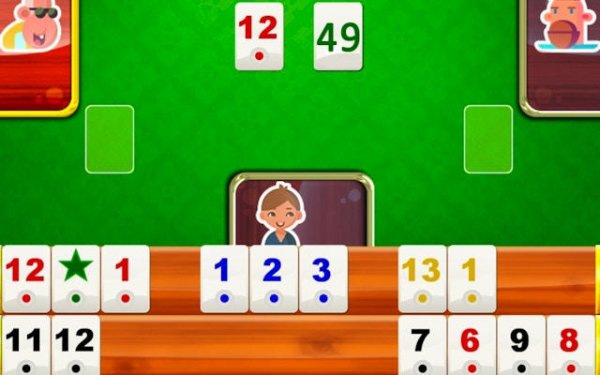
Classic Tile Puzzle Game is a math and brain puzzle that asks players to form sets, runs, or seven pairs from numbered and colored tiles. Its draw-and-discard turn structure creates constant tactical shifts, rewarding players who track discards and plan several moves ahead. The rules are easy to learn, but the strategic depth keeps matches engaging for both casual and experienced players. The main limitation is that the input does not specify multiplayer modes or solo options, so players seeking a purely solo experience should verify before playing. Overall, it is a solid choice for fans of tile-based strategy and pattern recognition.
About
Building a Winning Hand
In Classic Tile Puzzle Game, the objective is to be the first to form a complete and valid hand using numbered and colored tiles. A winning configuration can be a set of three or four same-number tiles in different colors, a run of three or more consecutive numbers in the same color, or seven distinct pairs. The game blends math-based pattern recognition with tactical decision-making, requiring players to observe discards and adapt their plans as the tile pool shifts.
Turn Flow and Tile Management
Each turn follows a simple rhythm: draw a tile from the pool or pick up a discarded tile, then discard one from your hand. This constant exchange keeps the board dynamic and forces players to weigh immediate gains against long-term flexibility. Because opponents' discards reveal clues about their strategies, attentive players can anticipate moves and adjust their own hand-building accordingly. The balance between luck and skill means no two matches play out the same way.
Strategic Depth and Accessibility
The rules are easy to learn, but mastering the game requires mental agility, careful planning, and the ability to think several moves ahead. Players must manage their hand efficiently, discarding tiles that are less likely to form sets or runs while keeping options open. This makes Classic Tile Puzzle Game suitable for a wide range of skill levels, from casual players who enjoy light math puzzles to those who thrive on deeper strategic challenges. The core mechanics reward patience and pattern recognition over reckless draws.
Compatibility
FAQ
Comments
Sign in to comment
You must be logged in before posting a review or rating.
No comments yet. Be the first to comment!





Editorial Notes