
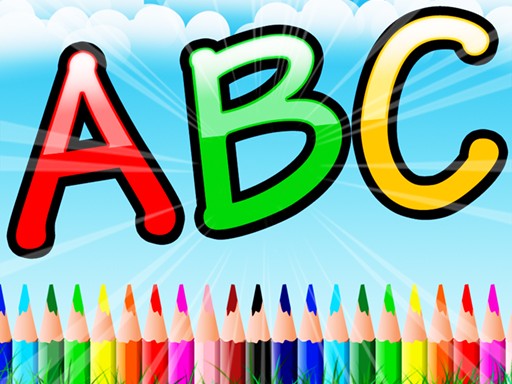
Alphabet Learning Puzzle for Children
What players say
Alphabet Learning Puzzle for Children does one thing clearly: it lets young children tap letters to hear sounds and see words, with random animations as a light reward. The lack of timers, scores, and ads keeps sessions calm and self-directed. It works best as a supplemental tool for toddlers and preschoolers, not as a complete phonics program. Parents and educators looking for a low-pressure introduction to letters will find it useful, provided they do not expect structured lessons or progress tracking.
About
How Letter Tapping Works
Alphabet Learning Puzzle for Children is built around a single interaction: tapping a letter. Each tap plays the letter's sound and displays a word that begins with that letter. There is no drag-and-drop, no matching, and no sequence to memorize. The game responds immediately, so a child can tap any letter in any order and still get consistent audio and visual feedback. This design removes the frustration of wrong answers because there are no wrong answers—only repeated exposure to letters and their sounds.
Image Taps and Random Animations
Beyond letters, the game includes interactive images that trigger random, amusing animations when tapped. These animations are not tied to a specific letter or word, which means each session can feel slightly different. For a young child, the unpredictability of what happens next encourages continued tapping and exploration. The animations function as a light reward loop: tap an image, see something funny, tap again. No score is kept and nothing is unlocked, so the motivation stays intrinsic rather than competitive.
Self-Paced Learning Without Pressure
There are no time limits, no levels to complete, and no failure states. A child can spend two minutes on one letter or move rapidly through the entire alphabet. This structure supports short, repeated sessions, which are generally more effective for early memory than long, forced ones. Parents or educators can sit alongside a child to say the letter sounds aloud or point to the displayed words, turning a solo tap session into a shared activity. The game does not require reading instructions, so even a toddler can start tapping immediately.
Who This Suits and What It Does Not Do
This is a supplemental exposure tool, not a full phonics curriculum. It reinforces letter recognition and sound association through repetition, but it does not teach blending, spelling rules, or handwriting. It is best suited for toddlers and preschoolers who are just beginning to notice letters, or for children who need extra low-pressure practice. Because the game is lightweight and runs on most devices, it works well as a quiet-time activity or a short break between other tasks. The absence of ads and external distractions keeps the focus on letters and sounds.
Compatibility
FAQ
Comments
Sign in to comment
You must be logged in before posting a review or rating.
No comments yet. Be the first to comment!


Editorial Notes