
Color Match Square Puzzle
What players say
Color Match Square Puzzle strips the color-matching idea down to its core: change the square, match the ball, keep going. That simplicity is its strength for short breaks and casual players, while the rising speed and random colors give puzzle and arcade fans a real concentration test. The family-friendly presentation and minimal controls widen the audience. The main limitation is variety, since difficulty comes from pacing rather than new mechanics, so players seeking depth may find sessions repetitive over time.
About
Matching Colors Under Pressure
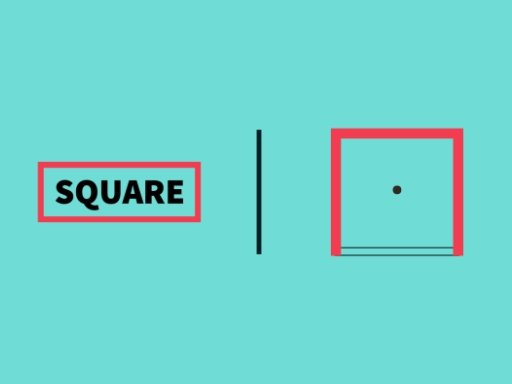
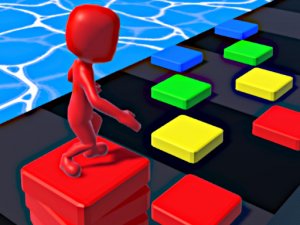
Color Match Square Puzzle asks one thing of you: keep a square the same color as the ball heading toward it. Balls approach in random colors, and you must tap or click the correct color option to change the square's hue before impact. A mismatch ends the run. The rule set is tiny, but the demand on attention is constant because the next ball rarely matches the last one. [IMG_1]
Controls and Immediate Feedback
Controls stay minimal. Color choices appear on screen, and a tap or click switches the square to that hue. There is no menu diving or complex input sequence. Feedback is instant: the square either matches the incoming ball and the round continues, or it does not and the game stops. That direct loop is what makes each mistake feel like a reaction error rather than a rules misunderstanding.
How Difficulty Escalates
The challenge curve is built on speed and variety. Early balls arrive with enough time to register the color and respond. As the session continues, balls appear more frequently, and the color sequence becomes less predictable. The game does not add new mechanics to raise difficulty; it compresses your decision window and widens the color pool. Staying calm matters as much as reacting fast, because panic taps are as costly as slow ones. [IMG_2]
Who This Suits
With no violent or inappropriate content and a clean visual design, the game fits family play and short breaks. Sessions can last a few minutes or stretch longer if you keep matching. Puzzle players who enjoy pattern anticipation and arcade players who prefer reflex tests will find the same core appeal: a simple task that becomes harder purely through pacing. It is not a game about strategy or story; it is about sustained concentration.
Compatibility
FAQ
Comments
Sign in to comment
You must be logged in before posting a review or rating.
No comments yet. Be the first to comment!




Editorial Notes