
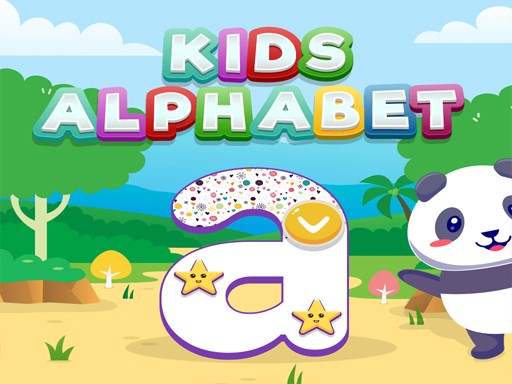
Alphabet Learning Fun for Kids
What players say
Alphabet Learning Fun for Kids keeps its scope narrow: one letter at a time, heard and traced, with a picture and word attached. That restraint is the point. There are no timers, scores, or purchases to distract a young child, and the calm voice guidance supports pronunciation while tracing supports early writing. Parents and teachers can guide sessions or let children explore. The main limitation is depth, since the content is a single alphabet and progress is not tracked.
About
What Children Do in a Session
Alphabet Learning Fun for Kids is built around a single repeatable loop: choose a letter, listen to it pronounced, then trace its shape on screen with a finger or mouse. Each letter is paired with a colorful image and a simple word that starts with it, such as A for apple. There are no timers, scores, or fail states, so a child can stay on one letter or move through the alphabet in any order. The controls are limited to touch or click, which keeps the interaction within reach of very young learners.
How Tracing and Audio Work Together
The tracing activity is the core writing practice. A child follows the letter's form with a finger or mouse, and the on-screen display keeps the shape visible as a reference. A calm female voice pronounces the letter and the associated word, so children hear the sound while they form the shape. This pairing of sound and movement is what the game uses to reinforce recognition rather than relying on a score or streak.
Who It Is Designed For
The game targets preschool and kindergarten children who are beginning to recognize letters and connect them to spoken sounds. Parents and teachers can sit alongside a child and guide them through the alphabet, or leave them to explore independently. Because there are no ads or in-app purchases, the environment stays focused on the letters. Vocabulary building happens through the pictures and words attached to each letter, giving children a first link between a symbol and an everyday object.
Building a Daily Routine
Repeated use is the intended pattern. Working on one letter at a time, then revisiting favorites, lets a child build confidence without pressure. The voice guidance supports correct pronunciation, and the tracing step supports early writing. A short, regular session fits the game better than a long one, since the content is a single alphabet and the value comes from repetition.
Compatibility
FAQ
Comments
Sign in to comment
You must be logged in before posting a review or rating.
No comments yet. Be the first to comment!







Editorial Notes