
Lane Glide Racing
What players say
Lane Glide Racing stands out by making horizontal movement the core challenge instead of forward acceleration. The randomized traffic and gradual speed increase create a fair but demanding reflex test. Its bright visuals and lack of mature content make it suitable for all ages, though the difficulty may frustrate very young players. Best for short sessions and high-score chasing.
About
Sideways Driving, Not Forward Racing
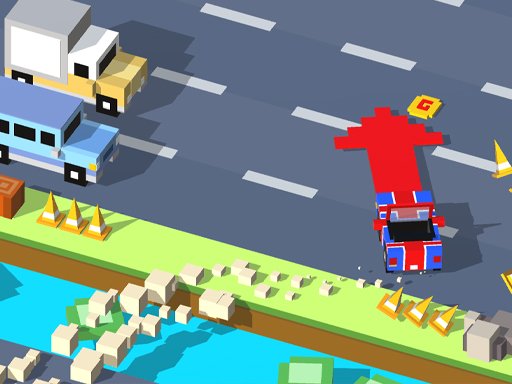
Most racing games put you behind the wheel moving forward. Lane Glide Racing flips that: your vehicle travels horizontally across multiple lanes while traffic streams toward you. The goal is simple—avoid collisions for as long as possible. Every successful dodge earns points, and the traffic density increases over time, so the challenge comes from reading gaps and reacting before they close. There is no finish line; the round ends the moment you hit another vehicle.
Controls and Moment-to-Moment Decisions
You steer left and right using simple, responsive controls. Precision matters because traffic patterns are randomized and speeds ramp up unpredictably. You will constantly scan for openings, judge whether a gap is wide enough, and commit to a lane change. Coins and special items appear on the road; grabbing them adds to your score or grants temporary benefits like protection. The decision to chase a coin versus play safe is part of the tension.
Visual Variety and Family-Friendly Design
The game includes a selection of colorful cars, each with a distinct look, set against vibrant backgrounds. An energetic soundtrack matches the arcade pace. There are no violent or mature themes, and the game is free to play, making it appropriate for all ages. Sessions are short by design—ideal for quick breaks or repeated attempts to beat your high score.
Difficulty Curve and Session Structure
Traffic starts manageable and gradually becomes faster and more complex. Because patterns are randomized, no two runs feel identical. The difficulty comes from reaction time and timing rather than memorization. Each round is a self-contained attempt to survive longer than before, which gives the game a natural loop: play, fail, learn the rhythm, and try again.
Compatibility
FAQ
Comments
Sign in to comment
You must be logged in before posting a review or rating.
No comments yet. Be the first to comment!







Editorial Notes