
Tile Pair Puzzle: Fresh Fruit Edition
What players say
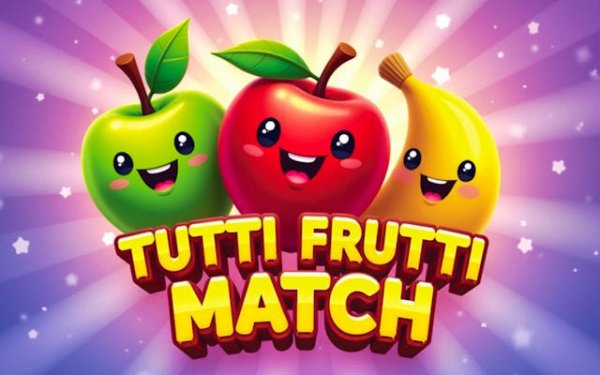
Tile Pair Puzzle: Fresh Fruit Edition keeps its rules minimal: find two identical fruit tiles, remove them, and clear the board. The variety comes from changing layouts, which mix even spreads with clustered fruits and force small adjustments each level. Scoring based on tiles cleared and matching speed gives regular players something to chase without adding stress. The clean visuals and lack of time pressure make it a good fit for children, commuters, or anyone wanting a low-key mental exercise. Its limitation is depth: players seeking complex mechanics or long campaigns will find the loop simple and short.
About
Matching Pairs on a Grid
The core task is straightforward: scan a grid of fruit tiles, find two that match, and select them. A correct pair disappears from the board. The level ends when every tile has been cleared. That single rule drives every decision, from which fruit to hunt for first to how to avoid leaving stranded tiles behind. Because the board shrinks as you play, later selections become easier to read, but early moves shape how crowded the remaining grid feels.
How Layouts Change Each Puzzle
Levels use different arrangements of fruit tiles, so no two boards play the same way. Some spread tiles evenly across the grid, while others cluster certain fruits together. An even spread forces you to scan the whole board; a cluster rewards players who spot groups quickly. Adapting to each new configuration is the main source of variety, and it keeps the game from feeling repetitive across repeated attempts.
Visual Style and Match Feedback
Strawberries, oranges, watermelons, and grapes appear in bright, appealing colors. When a pair is matched, a short animation plays as a small reward. The overall look stays clean and uncluttered, which keeps attention on the grid rather than on decorative elements. That calm presentation suits players who want a low-pressure activity rather than a tense challenge.
Progression and Scoring
Clearing a level unlocks the next one, giving a steady sense of forward movement. Points come from the number of tiles cleared and the speed of matching. Efficient play that produces chain reactions can push scores higher, which gives players a reason to return to earlier levels and try to beat their own results. The scoring system rewards both accuracy and pace without making either mandatory.
Built for Short Sessions
Each puzzle can be finished in a few minutes, so the game fits naturally into breaks or commutes. There is no time pressure, and players can proceed at their own pace. That design supports both quick bursts of play and longer sessions when time allows, and the absence of stress makes it a reasonable choice for winding down.
Compatibility
FAQ
Comments
Sign in to comment
You must be logged in before posting a review or rating.
No comments yet. Be the first to comment!


Editorial Notes