
Underground Pathfinder
What players say
Underground Pathfinder succeeds by focusing on one thing: clean, responsive platforming. The short level design means you can play for five minutes or an hour without feeling lost. Obstacle patterns are clever without being unfair, and the pixel art gives the caverns a warm, nostalgic glow. The difficulty ramps up gradually, so beginners won't feel overwhelmed while veterans still find challenges. It is a polished example of how simplicity, when executed well, can be deeply satisfying.
About
Core Gameplay Loop
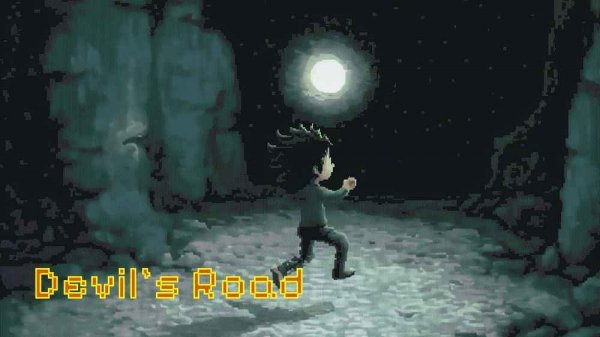
Underground Pathfinder presents players with a straightforward objective: reach the exit of each underground chamber without making contact with any hazards. The game strips away complex mechanics to focus on pure movement and timing. Players control their character using basic directional inputs, moving left or right and jumping to avoid obstacles. Each level is compact, often taking only a minute or two to complete, which makes the game ideal for short gaming sessions.
Obstacle Design and Variety
The hazards found in these caverns come in several forms. Some obstacles remain stationary, requiring players to simply jump over them at the right moment. Others move along fixed paths, demanding that players wait for the correct opening before proceeding. Spinning objects add another layer of complexity, as their rotation creates gaps that open and close in a predictable rhythm. This variety ensures that no two levels feel exactly the same, and players must adapt their approach constantly.
Visual Style and Atmosphere
The pixel art aesthetic gives the underground world a charming, retro feel. The color palette uses dark blues, grays, and occasional warm glows to create a sense of depth and mystery. The character sprite is small but clearly defined, making it easy to track its position against the background. This visual clarity is important for a game where split-second decisions matter. The consistent art style also helps maintain immersion across all levels.
Difficulty Progression
Early levels introduce basic obstacle patterns that teach fundamental movement techniques. As players advance, the game gradually increases the complexity by combining different hazard types and tightening the timing windows. This progressive difficulty curve ensures that newcomers can learn at a comfortable pace while experienced players still find challenges that test their reflexes. The game rewards patience and careful observation over frantic button pressing.
Replay Value and Mastery
Because each level is short, players can quickly retry after a mistake. This design encourages repeated attempts until the optimal path through each chamber is memorized. The satisfaction comes from gradually improving completion times and reducing errors. For those who enjoy perfecting their runs, the game offers a clean, focused experience that rewards practice without requiring a large time investment.








Comments
Sign in to comment
You must be logged in before posting a review or rating.
No account? Create one
No comments yet. Be the first to comment!