
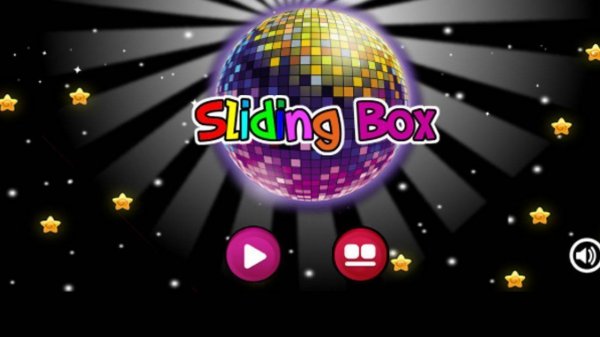
Slide Path Logic
What players say
Slide Path Logic keeps its scope narrow on purpose. The sliding-box mechanic is simple to learn, the controls work on touch and desktop, and the lack of a timer lets you think through each move. Difficulty climbs steadily through more complex box placements, and multiple tiers let you pick your starting comfort level. The main limitation is that the core interaction never changes, so players wanting variety in mechanics may find it repetitive.
About
The Core Mechanic
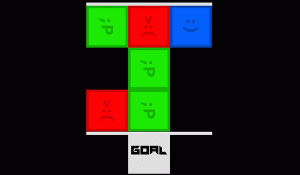
Each level in Slide Path Logic gives you one clear objective: move boxes into empty spaces until a path to the exit is open. You select a box and drag it to an adjacent empty cell. That single interaction is the whole game, and the challenge comes from reading the board and working out the order of moves that will not trap you. Because there is no timer and no scoring system, you can sit with a layout and test sequences without penalty.
How the Puzzles Escalate
Early layouts introduce the basic slide interaction with few obstacles, so you can see how one move affects the next. As you progress, configurations become more intricate, with more boxes and placements that demand several steps of forward thinking. The difficulty rises gradually but consistently, which means you are always building on what the previous puzzle taught you rather than hitting a sudden wall. Each level is a distinct arrangement, so memorized solutions from earlier puzzles will not carry over.
Controls and Pace
The controls are built for both touchscreens and desktop computers, and the drag interaction responds cleanly on either. The deliberate pace is the point: without time pressure, you can consider each move, undo a bad idea by simply sliding the box back, and experiment until the route becomes clear. That relaxed structure makes Slide Path Logic easy to pick up in short sessions, and the save system lets you pause mid-puzzle and resume from the same point later.
Presentation and Difficulty Tiers
The visual style keeps boxes and the exit clearly distinguishable, with smooth animations that confirm each successful slide. Subtle audio cues mark progress without pulling attention away from the board. Multiple difficulty tiers let you choose a comfort level before you start, so the game can stay gentle or become a more demanding spatial reasoning exercise depending on what you want from it.
✅ Compatibility & Testing
FAQ
Comments
Sign in to comment
You must be logged in before posting a review or rating.
No comments yet. Be the first to comment!






Editorial Notes