
Suit Stacking Puzzle
What players say
Suit Stacking Puzzle delivers a focused sorting challenge using a standard deck. The mix of hidden cards, color-alternating columns, and a reserve pile creates meaningful decisions about when to move and when to draw. Its clean touch interface and optional themes keep the experience comfortable. The lack of time limits or scoring makes it accessible, though players seeking fast-paced action may find it too slow. Best for fans of solitaire and logic puzzles.
About
Sorting a Full Deck
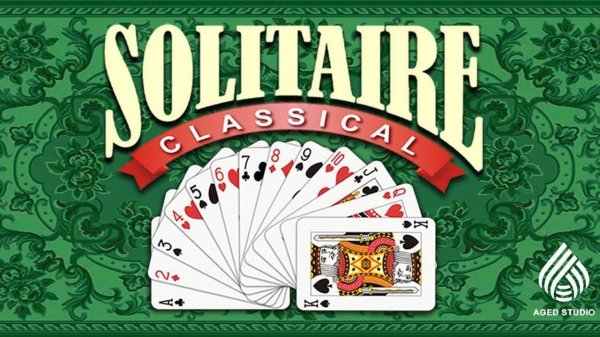
Suit Stacking Puzzle starts with a standard 52-card deck spread across several columns. Some cards are face up, others face down. The goal is to move every card into one of four foundation piles, each dedicated to a single suit. Cards must be placed in ascending order, beginning with the lowest rank. Because hidden cards block access, you constantly weigh which moves to make and when to reveal what's underneath.
Column Rules and Empty Spaces
The playing area holds multiple columns that serve as temporary storage. A card can be placed onto another card of the opposite color if the target card is one rank higher—for example, a red five on a black six. Empty columns act as flexible holding spots, letting you rearrange sequences and open new options. How well you manage these columns determines how smoothly the game progresses.
When to Draw from the Reserve
A reserve pile supplies extra cards when no column moves remain. Drawing adds new cards to the layout, which can either help or create new obstacles. The timing matters: draw too early and you may limit future choices; wait too long and you risk stalling. Deciding when to draw means judging whether the current columns still offer useful moves.
Controls and Visual Style
The interface is clean and built for touch screens, with drag-and-drop controls that respond smoothly. Players can choose from several background themes to change the look. A gentle timer tracks session length without adding pressure, so the experience stays relaxed. The design avoids clutter, keeping attention on the cards and the sorting task.
Pace and Accessibility
This puzzle suits all ages and skill levels. There is no time limit or scoring system that rewards speed. The challenge comes from logical planning and patience. Some versions may include optional hints or undo functions for players who want guidance. The game supports both short sessions and longer periods of focused play.
Compatibility
FAQ
Comments
Sign in to comment
You must be logged in before posting a review or rating.
No comments yet. Be the first to comment!






Editorial Notes